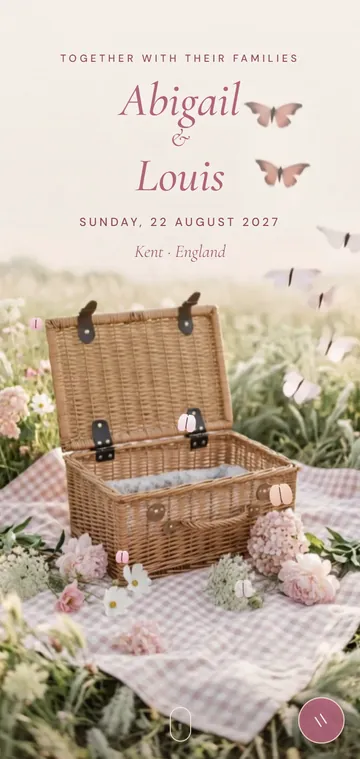
Digital vs paper wedding invitations: which should you choose?
An honest comparison of cost, convenience, etiquette and guest experience, so you can decide what suits your wedding and your guests.
Blog / Wedding invitation websites
How-to · 6 min read
Message templates that feel personal, the right time to send, how to avoid group-chat chaos, and how to follow up, so a digital invitation feels as special as a card.
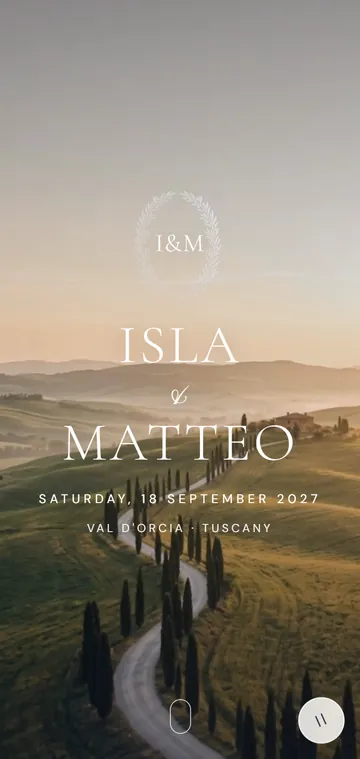
New to digital invitations? Read the complete guide to digital wedding invitations.
Sending invitations by message is now the norm for many couples, especially with guests in different countries. It is quicker, cheaper and easier to update than post. The difference between a message that feels special and one that feels like spam is mostly in how you send it.
Avoid posting your invitation in a big group chat. Replies, “who else is coming?” questions and forwarded links get messy, and it can feel impersonal. Instead, send each household its own message. It takes longer, but guests notice, and it means you know exactly who has the link.
With Card of Vows you can go a step further: create a personal link for each guest. When they open it, the invitation greets them by name and the reply form offers exactly the number of seats you reserved for them. Guest groups can get their own link too, showing only the events they are invited to, for example the rehearsal dinner for close family.
Keep the message short; the invitation does the talking. Adapt one of these:
Every Card of Vows invitation is an ordinary link, so it works in all three and opens in the phone's browser with no app and no account.
Send the invitation 8–12 weeks before the wedding (3 months if many guests travel), and send it in the evening or at the weekend, when people have time to open it properly rather than glancing at it at work. If you sent a save the date first, see our save the date wording for that earlier message.
A week before your RSVP deadline, send one friendly reminder to those who haven't replied, ideally from your own phone: “Just a little reminder to RSVP by 1 May so we can tell the caterers. Here's the link again: [link]”. Your dashboard shows who has replied, so you only message the people who haven't. More ideas are in RSVP etiquette.
Grandparents and some older guests may still love a printed card. You don't need two separate invitations: print a simple card with the date and a QR code or short link to the same invitation, or ask a family member to show it to them. Their replies still arrive in the same place.
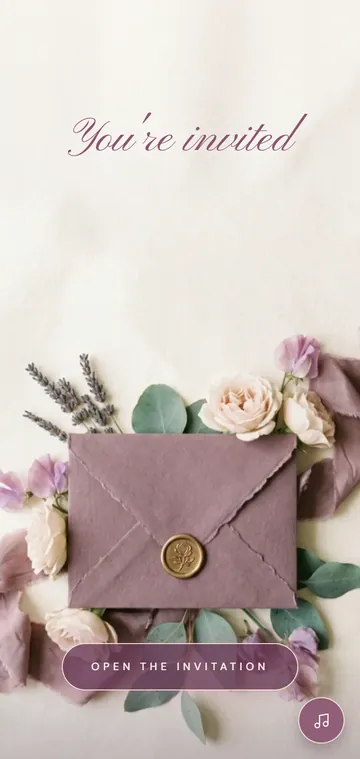
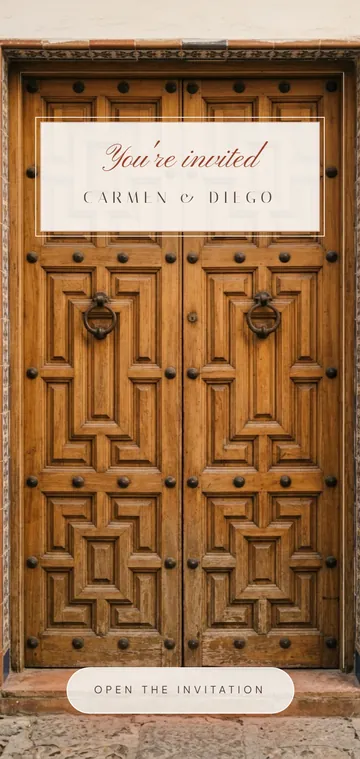
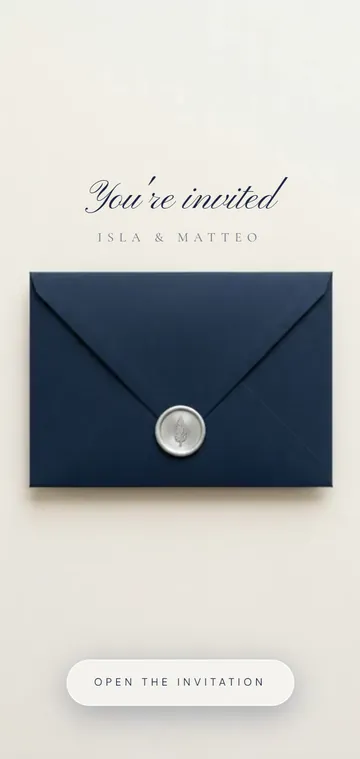
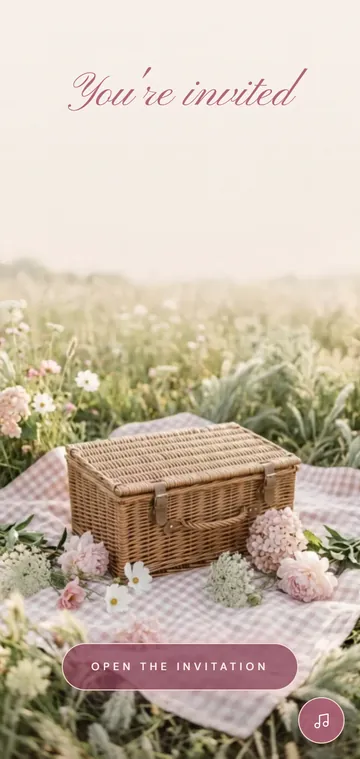
The first thing guests see is the preview, so a strong, simple cover helps. Cypress (a midnight envelope and the Tuscan hills), Limone (lemon tiles over the Amalfi coast), Sea Glass (a linen envelope sealed with a seashell), Fernwood (a forest-green gift tag), Buttercup (peach and butter-yellow flowers) and Mauve (a mauve envelope with a gold seal) all open with a moment guests can tap. For save the dates, see Matchbox, Sunkissed, Lavender Seal and Love Letter; for the whole picture, our complete guide to digital wedding invitations.
Prices start at $40, one time, with unlimited guests. Browse all wedding designs or compare plans.
Yes. It is now common, especially with guests abroad. Send each household its own message rather than posting in a group chat.
Keep it short and warm: a greeting, one line inviting them, the link, and your names. The invitation itself carries the details.
No. A Card of Vows invitation is an ordinary link that opens in the phone’s browser, with no app or account.
A week before the RSVP deadline, send one friendly message with the link again, only to the guests your dashboard shows as not yet replied.
Print a simple card with the date and a QR code or short link, or ask a family member to show them the invitation.
8–12 weeks before the wedding, in the evening or at the weekend when guests have time to open it.
An honest comparison of cost, convenience, etiquette and guest experience, so you can decide what suits your wedding and your guests.
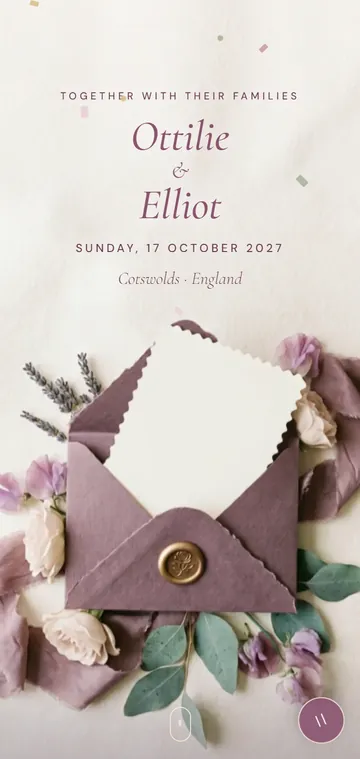
Set the right RSVP deadline, word it clearly, handle plus-ones and children, and follow up without awkwardness.
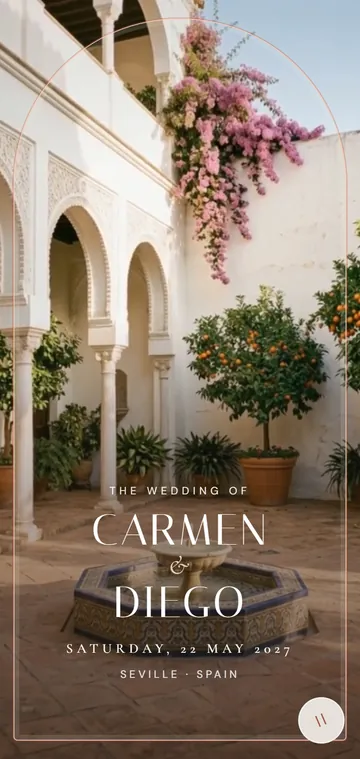
Formal, modern and casual wording with the right order of names, hosts and details, plus reception-only and blended-family examples.